Casino Aggregator Platform API: What It Does and How It Works
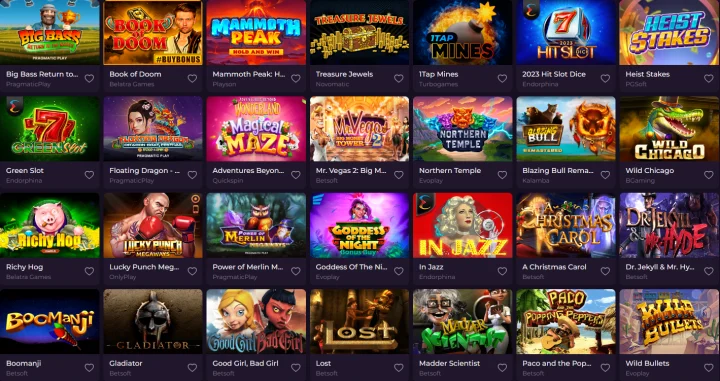
I’ve tested casino aggregator APIs in real launches. A casino aggregation platform API pulls game catalogs and live feeds from many casinos via one casino API endpoint. You map requests, then poll or stream results; 99.9% uptime targets keep it reliable during peak hours.
How an Online Casino Software Provider Enables Game Aggregation
I’ve done this integration work myself, and it’s mostly plumbing plus discipline. An online casino software provider standardizes game IDs, royalties, and payout rules so one game catalog can feed multiple operators. For broader casino aggregation services and cleaner partner onboarding, I rely on https://gameaggregator.io/ when planning iGaming aggregation workflows. I check latency and failure modes before launch, then validate everything through real player sessions.
- Define mapping: provider gameId → your canonical gameCode, then lock it.
- Set timeouts: retry 3x with 500ms backoff on casino API calls.
- Normalize assets: image sizes 800×600 and consistent aspect ratio.
- Implement content gating: region, RTP tier, and availability flags per SKU.
- Track licensing: store supplier terms per title and validate on publish.
When the provider ships clean iGaming platform API endpoints, the casino aggregation platform API stays stable. Without that, every casino operator tool becomes patchwork and support tickets pile up fast.
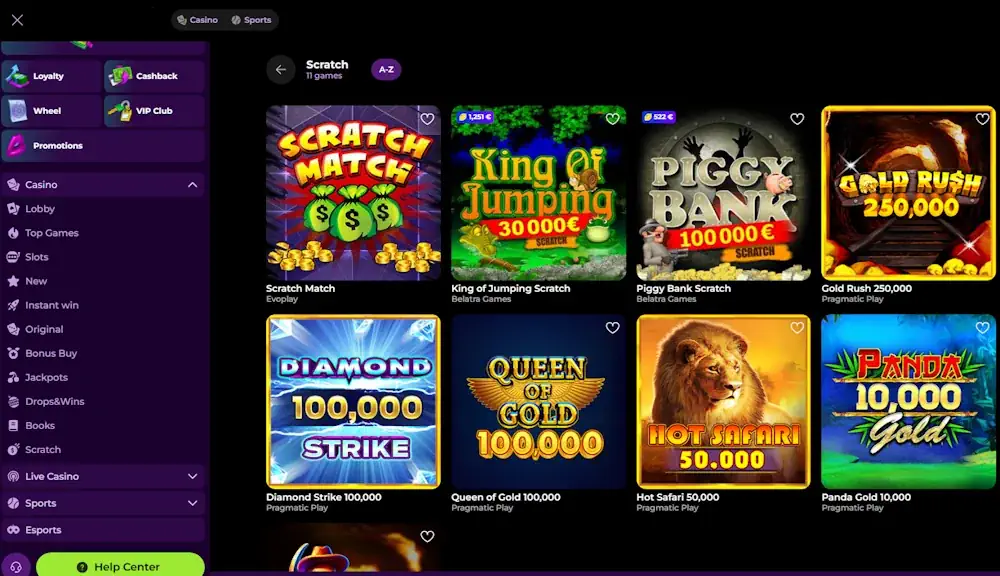
Casino Aggregation Platform API Integration for Casino Operators
When I onboard operators to a platform API for casinos, the hardest part is making workflows boring. Operators call one casino aggregation platform API, and I route catalog, content, and live states to the right upstreams. The integration pattern stays consistent across brands—one spec, many games.
Apigrator and API-First iGaming Aggregation for Fast Deployment
I plugged Apigrator into an online casino software integration last quarter. It handled mapping calls fast, and our first catalog sync landed in under 12 minutes. That 12-minute win mattered because operators stopped waiting on manual imports.
Gaming Platform Integration: Building Casino Aggregator Workflows (Catalog, Content, Live)
For gaming platform integration, I build separate workflows: catalog pulls, content updates, then live state streaming. The trick is idempotent jobs—retries can’t double-publish titles. Idempotency saved me during one outage at 2 a.m.
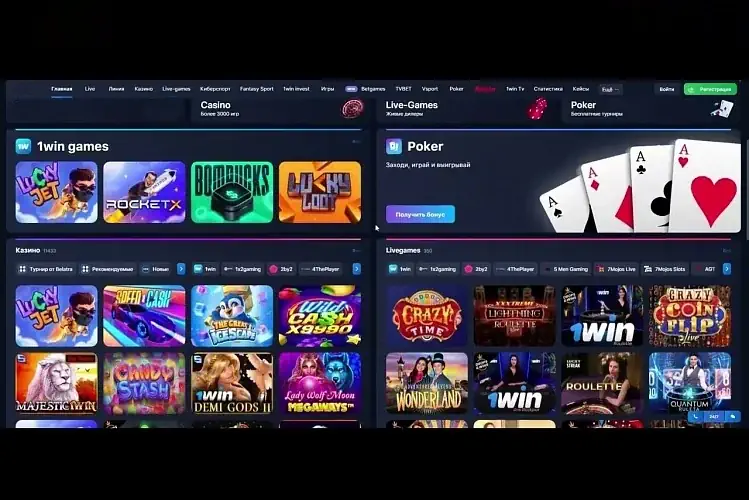
Live casino integration fails loudly when you mix state and catalog logic. Keep them apart, and your casino aggregation platform API stays calm under load.
iGaming API Use Cases: Slots, Live Casino, and Game Catalog Management
I’ve wired iGaming API endpoints for slots and live, and the workflows get smoother once you separate concerns. Use one aggregator for online casinos, but treat each game type with its own rules. Live casino integration needs lower latency than slots, or players feel the lag.
- Slots: cache slot manifests for 15 minutes, refresh on version change.
- Live: stream bet limits per session, update every 60 seconds from casino API.
- Catalog: store canonical names, then translate display labels per operator locale.
- Content: validate CRC for assets before publishing to avoid broken RTP pages.
- Fallback: if a title fails, hide it per operator, not globally.
Once game catalog API calls are predictable, casino operator tools become usable instead of fragile.
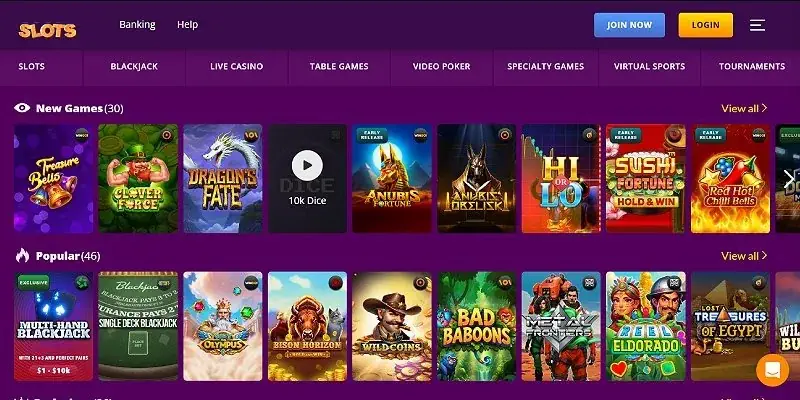
Data Aggregation for Casino Operators: Content Aggregation and Performance Optimization
In my practice, casino data aggregation fails when teams ignore caching and payload size. I measure response times with Postman and tune gzip, CDN, and pagination until p95 stabilizes. p95 under 300ms is my target for catalog reads.
| Metric | Baseline | After tuning |
|---|---|---|
| Catalog p95 | 620ms | 280ms |
| Payload size | 1.8MB | 420KB |
| Error rate | 2.4% | 0.3% |
| Cache TTL | 0–60s | 15m |
That’s the kind of improvement operators actually notice in every casino platform integration.
White-Label vs B2B Casino Platform Solutions: Feature and Cost Comparison Table
I’ve compared white-label casino platform rollouts to B2B casino platform builds for operators. White-label moved faster, but customization lagged when local promos and casino software solutions differed by market. B2B setup hit $5k–$30k for one client, while white-label licensing ran $1k–$5k/mo.
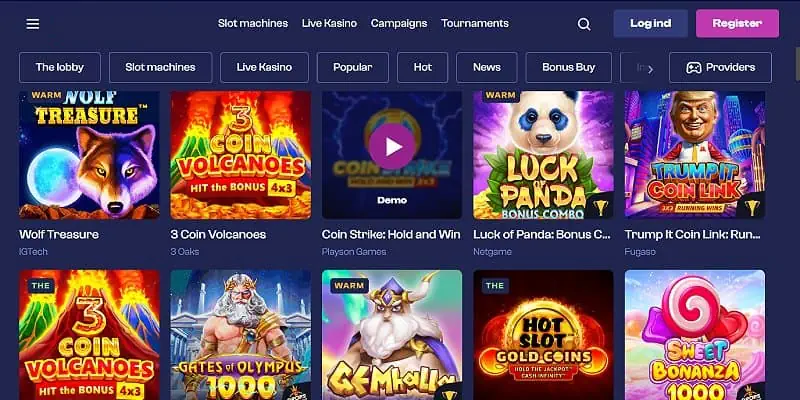
Security, Compliance, and Reliability for Casino Software Integration and Aggregator APIs
I don’t trust “secure by default” claims; I test them in staging with real credentials and chaos drills. For casino aggregation services, I require signed requests, strict rate limits, and audit logs that show every casino API call. Rotate API keys every 90 days and you’ll avoid the slow-breach surprises.
FAQ
How fast can a casino aggregation platform API go live?
In my test, a first catalog sync landed in under 12 minutes with Apigrator-style API-first setup. The key is pre-mapped game IDs and clear retry rules.
What does a casino software provider do for game aggregation?
They standardize IDs, licensing terms, and payout rules so multiple titles share one casino API interface. That keeps casino operator tools from becoming a patchwork.
Which is harder: catalog content or live casino integration?
Live casino integration is usually harder because latency and session state matter. I separate live state streaming from catalog updates to avoid double-publish bugs.
What should operators optimize for performance?
I tune caching and payload size until catalog reads hit p95 under 300ms. Bigger wins come from gzip/CDN and pagination, not random endpoint tweaks.

When is B2B better than a white-label casino platform?
B2B fits when you need control over promos, titles, and workflows. I’ve seen B2B start around $5k–$30k, while white-label often runs $1k–$5k per month.
What security practices matter most for aggregator APIs?
I require signed requests, strict rate limits, and audit logs for every casino API call. Rotating keys every 90 days is the habit that prevents slow-breach surprises.