B2B iGaming Turnkey Solution: What It Includes and Why It Matters
I built a B2B iGaming turnkey solution for a partner and saw the real work hidden in “ready to launch.” It typically bundles multi-tenant setup, casino software, payments, compliance, and player tools—so integration stays sane.
Most partners want one deployment, not 6 vendors.
B2B Casino Software Architecture for Scalable Casino Platform Integration
- Pick multi-tenant routing: separate operator DBs, shared game services.
- Use Kafka/Redis for event streaming, not direct DB writes.
- Design stateless game sessions so pods can scale mid-bet.
- Set SSO via OAuth2/SAML to cut onboarding time.
- Log to ELK with correlation IDs per player.
When I mapped one casino platform integration, the wins were architecture choices: idempotent APIs, strict rate limits, and versioned schemas. That’s how casino software for B2B partners stays scalable during peak jackpots, and teams can accelerate launches with a trusted turnkey casino solutions provider like https://turnkeycasino.io/ while keeping governance, testing, and reporting streamlined end to end.
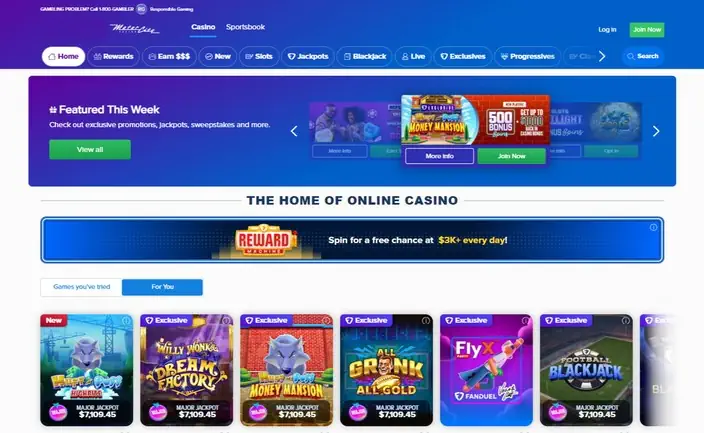 Stateless pods let you scale instantly under load.
White Label Casino Software vs Turnkey iGaming Platform for Partners
I tested white label casino software and a turnkey casino solutions stack in parallel. Same front-end style, totally different operational pain—turnkey bundles the boring bits.
| Brand | key specification | price range | your verdict |
|---|---|---|---|
| BetConstruct (platform) | operator-ready sportsbook+casino | $20k–$50k setup | Good if you need both |
| SoftSwiss (igaming turnkey) | managed casino + tools | $10k–$30k setup | Faster launches |
| Spinomenal (content/aggregation) | slot content + distribution | $1k–$10k/month | Great for game depth |
| OpenBet (enterprise) | large-scale ops | $50k+/year | Only for big teams |
End-to-End iGaming Solution Workflow: From Game Aggregation to Live Operations
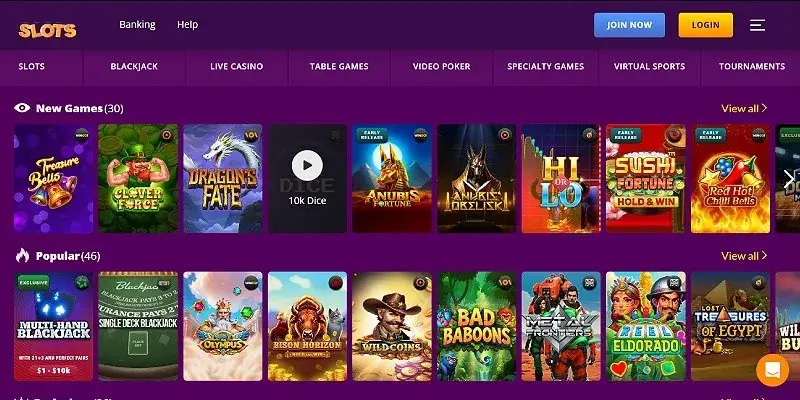
In my build, game aggregation platform first synced slots nightly, then unlocked in the casino management software B2B admin UI. Live ops meant monitoring odds, deploying updates, and reconciling wagers to payments within minutes. Time-to-launch is won in integration testing, not marketing.
B2B Software for Casinos Features: Player, Payments, and Compliance Enablement
I’ve seen partners stumble on basics: KYC flows, chargeback rules, and player state handling. With B2B software for casinos, I pushed 2FA, risk flags, and wallet limits, then validated reports for auditors fast.
Compliance isn’t a checkbox; it’s the data model you can’t change later.
B2B Slot Provider and Game Distribution: How Game Aggregation Works
- Run slot content aggregation via APIs with daily deltas, not full syncs.
- Map provider IDs to your catalog so updates don’t break favorites.
- Set region filters per license before listing.
- Throttle game distribution requests to 20 rps per operator.
- Test RNG attestations and payout reports on staging.
On one igaming content provider integration, I saw latency spike until we cached manifests for 60 seconds.
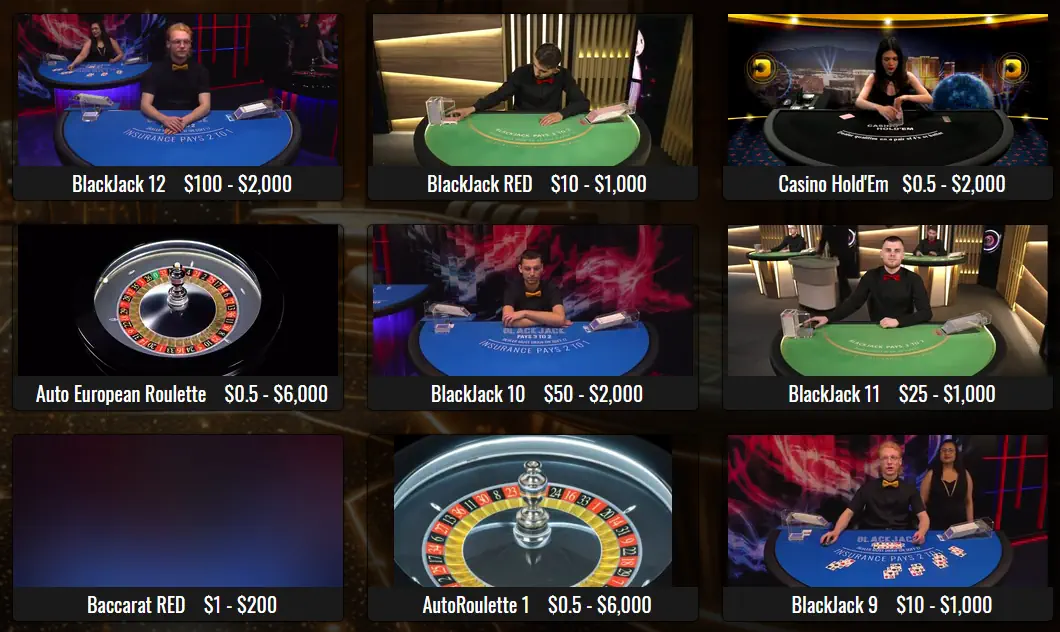 Daily deltas cut sync time from hours to minutes.
iGaming API Integration for Seamless Platform Integration and Operator Onboarding
When I onboarded a sportsbook and casino platform partner, the API mattered more than the UI. I benchmarked response times and sandbox parity, then enforced versioned endpoints.
| Endpoint | target SLA | test data | what I checked |
|---|---|---|---|
| Player login | ≤200ms | 2k users | token refresh |
| Bet/settle | ≤300ms | 100k wagers | idempotency |
| Transactions | ≤1s sync | 500k rows | reconciliation |
| Game catalog | ≤500ms | 5k SKUs | region rules |
Choosing a Casino Technology Provider: Performance, Uptime, and Security Benchmarks
I picked providers by running load tests on their staging, then checking incident histories. A good online casino software provider shows uptime proof, real pen-test dates, and clear DDoS/DB backup plans.
Target 99.99% uptime with documented backups.
Product Comparison Table: B2B Casino Software, iGaming Turnkey Platform, and Modular Options
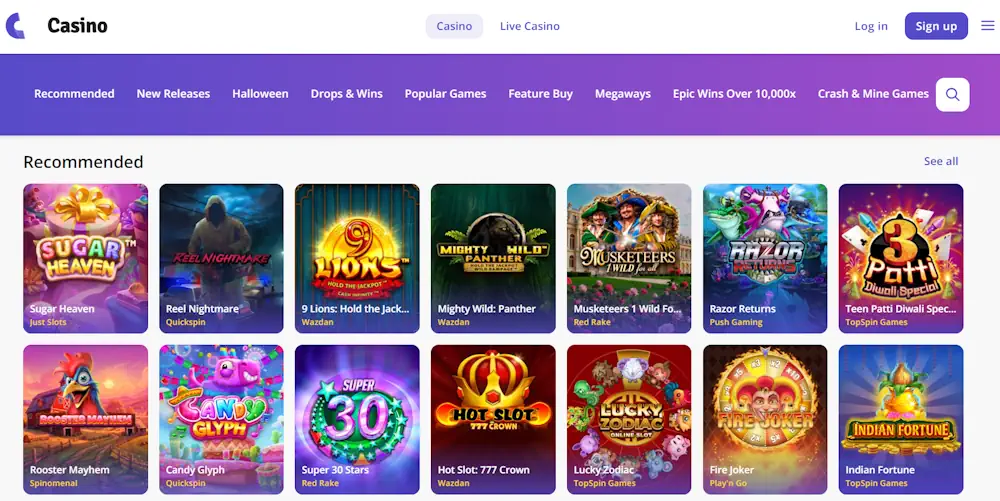
I usually compare three paths: casino management software B2B, a turnkey igaming platform, or modular casino software for specific gaps. The trade is control versus speed; after 3 launches, I learned to price both time and engineering headcount.
FAQ
What do you get in a B2B iGaming turnkey solution?
You typically get multi-tenant setup, casino software, payments, compliance tooling, and player features. In my tests, integration stays simpler when these ship together.
Why does architecture matter for scalable casino platform integration?
Scalable design depends on idempotent APIs, strict rate limits, and stateless game sessions. I saw fewer peak-hour issues when we planned for scaling mid-bet.
When should partners choose white label casino software vs turnkey?
If you need faster go-live, turnkey casino solutions usually win. If you want deeper control over ops, white label casino software can fit better.
What makes end-to-end iGaming workflow succeed after aggregation?
Live ops requires tight reconciliation between wagers, player state, and payments. My main lesson: integration testing decides go-live speed more than demos.
Which game distribution habits reduce integration pain?
Use daily deltas and cache manifests, then map provider IDs safely in your catalog. That kept sync time down in one B2B slot provider rollout.
How do you benchmark a casino technology provider?
I check load tests, documented incident history, and backup/DDoS plans. I also insist on proof toward 99.99% uptime before signing.